


Tel:
+86 15712666272
Add:
South-east Industrial Zone, Songmen Town, Wenling City, Zhejiang Province, China


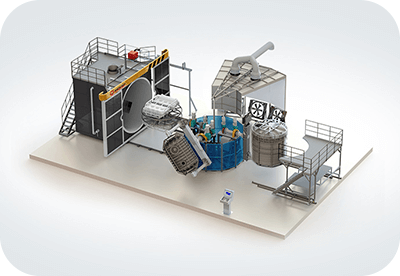
In the rotomolding process chain, the heating and sintering stage is often regarded as the technical centerpiece — powder melting, bubble elimination, and melt homogenization, with every step critical to molding success.
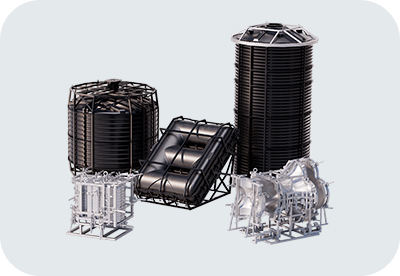
The chemical storage and transportation industry, along with the environmental water treatment sector, impose stringent demands on containers in terms of **corrosion resistance, sealing integrity, service life, and overall cost**. While traditional steel containers offer high strength, corrosion remains a persistent pain point across these industries.
If you work in rotomolding, you've experienced it: the raw material hasn't changed, the mold hasn't changed, yet problems keep cropping up in your products. Bubbles on the surface, voids inside, warpage and distortion after cooling, uneven wall thickness — scrap rates remain stubbornly high.
Summer Maintenance Guide for Rotomolding machines' Electrical Cabinets
In our last installment, we explored the fundamental principles behind rotational molding — no high pressure, almost zero waste, just a simple and efficient process that has established itself firmly in the world of hollow plastic products. If the science we covered is the skeleton of rotomolding, then what we’re diving into today — its application areas — is the lifeblood that keeps it moving.





 浙公网安备 33108102000897号